Unpaid visit through a named program
Document question
Is this handler/team an insured for the scheduled activity?
Why it matters
Program membership and insured status need reconciliation

Separate the therapy dog’s veterinary bills from the handler’s and operator’s liability before choosing insurance documents.
Use these checkpoints to frame the literal question before reading the full guide.
Insurance for therapy dogs can mean protection for the animal’s treatment, liability during a volunteer visit, or professional work involving the dog. Identify who is insured and what activity occurs first. No operative liability form has been verified here, so no particular visit is described as covered.
The sections below show how to verify the answer and what can change it.
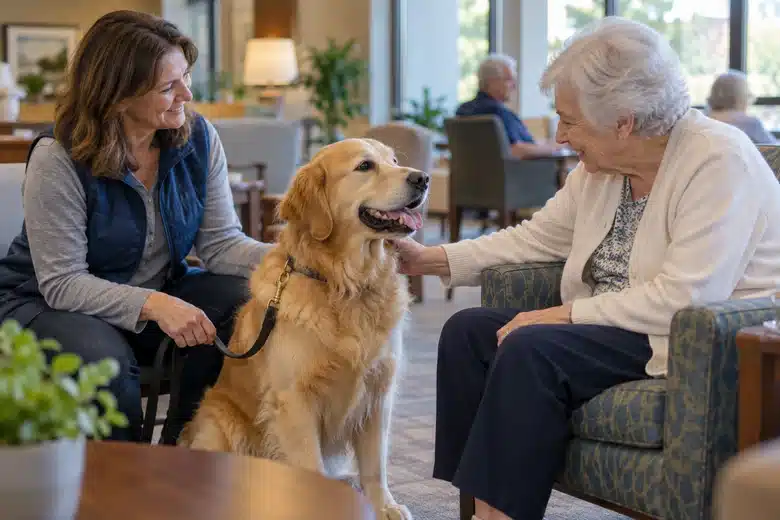
Consider a fictional volunteer taking her dog to an adult rehabilitation lounge. The dog becomes ill, a visitor alleges an injury, and the facility asks whether the handler’s work is insured. Those are separate questions. Veterinary-expense terms would address the dog’s treatment; liability documents would need to address the allegation against a person or organization; professional activity may require an additional analysis. None of these hypothetical events is a coverage decision.
The Department of Justice distinguishes a dog trained to perform a disability-related task from an animal whose presence provides comfort. Calling a dog a therapy dog does not by itself establish ADA service-animal status, access rights or any insurance benefit.
| Activity detail | Document question | Why it matters |
|---|---|---|
| Unpaid visit through a named program | Is this handler/team an insured for the scheduled activity? | Program membership and insured status need reconciliation |
| Paid clinical work | Does the form address the professional service? | A volunteer description may not fit paid practice |
| Another person holds or transports the dog | Who has care, custody or control at that moment? | Custody and transport terms may change the analysis |
| Facility asks to be added | Is an endorsement actually required and issued? | A certificate description alone is not the full contract |
Pet Partners’ facility toolkit describes a liability program for registered volunteers and connects that program to visiting under its procedures. This is one nonprofit program example, not a universal rule for therapy-dog teams. The underlying current policy and endorsements were not obtained, so the toolkit cannot settle an individual injury or custody question.
In the fictional lounge visit, team registration would be only the first eligibility question. The second is whether the alleged event falls within the insured activity and time period. The third is what the contract says about defense, covered damages, limits and the owner’s contribution. It would be misleading to insert a reimbursement percentage from pet health insurance into this liability analysis.
A current operative liability policy, schedules, exclusions and applicable endorsements are missing. Obtain a written interpretation from the appropriate insurer or licensed adviser for the real activity before relying on protection. No licensing rule, automatic facility coverage or paid-work extension is asserted here.
Do not infer that from veterinary-expense benefits. A liability claim requires its own applicable terms.
It may help identify the team or program, but it does not replace the insurance wording needed to assess the activity.
These links provide independent government, academic or reference background. Actual policy wording controls insurance eligibility, benefits and claims.
This article does not imply that the specific animal, liability product, state or service discussed above is covered by the site's partner. If you are separately comparing medical insurance for U.S. domestic dogs or cats, the next button opens a separate quote route for that product; check the actual policy for eligibility and exclusions.